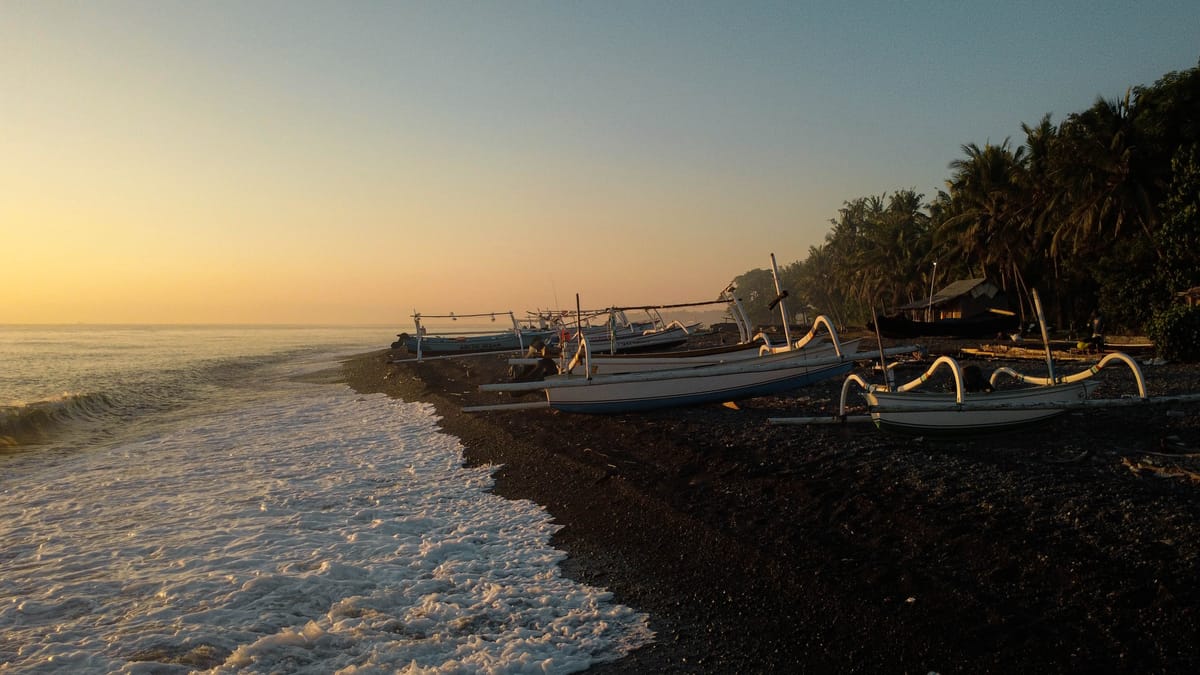
A visit to the salt beds along the coast, with a local salt maker. For two or more.
Ask us, and we tell you what the salt maker can do that week.
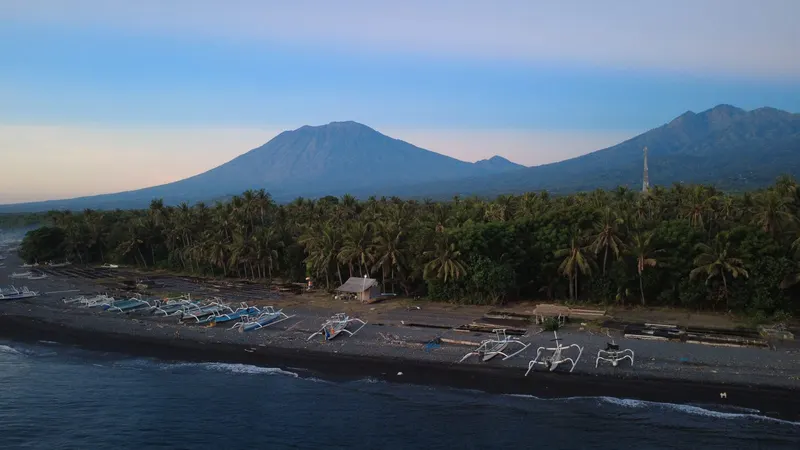
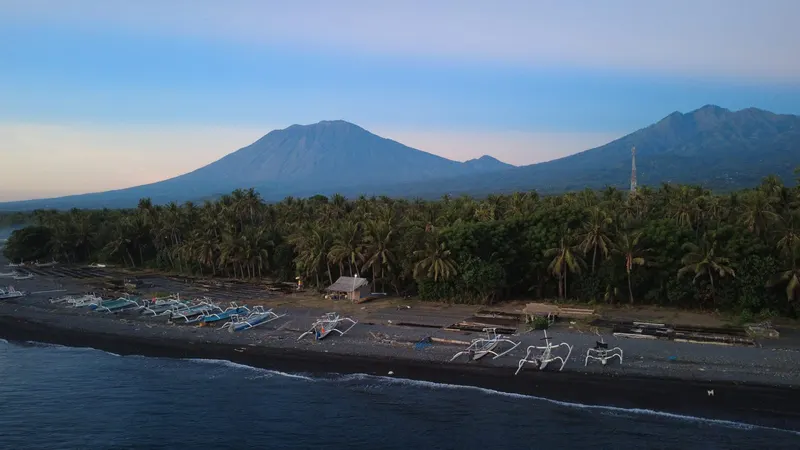
This is the coast the salt comes from.
Our own shore is pebbles. A little way along, the beach turns to dark sand, and that is where the salt has always been made.
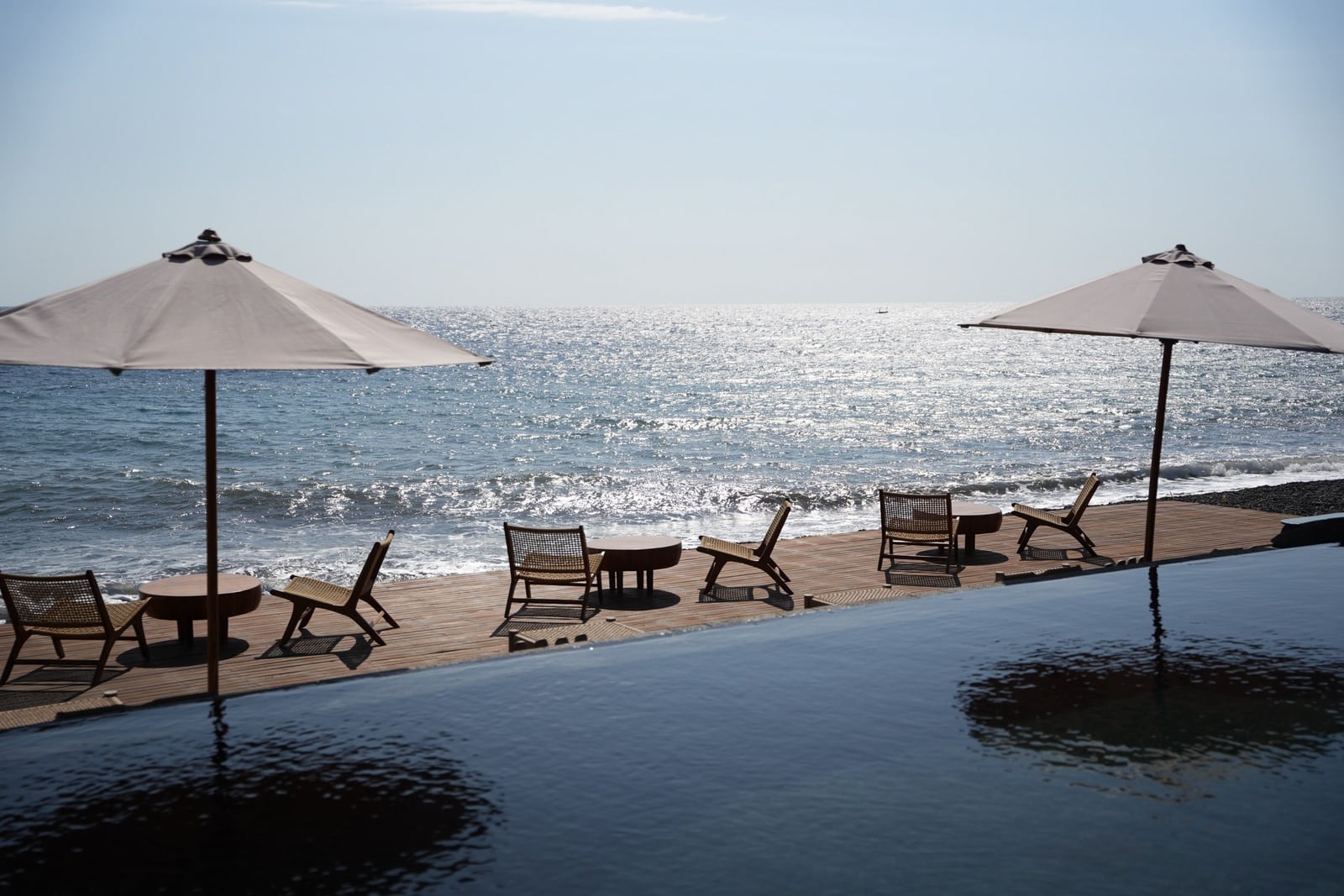
Carried up from the sea, poured over the sand, left to the sun.
Seawater is carried up the beach and spread over beds of sand. The sun takes the water and leaves the salt behind.
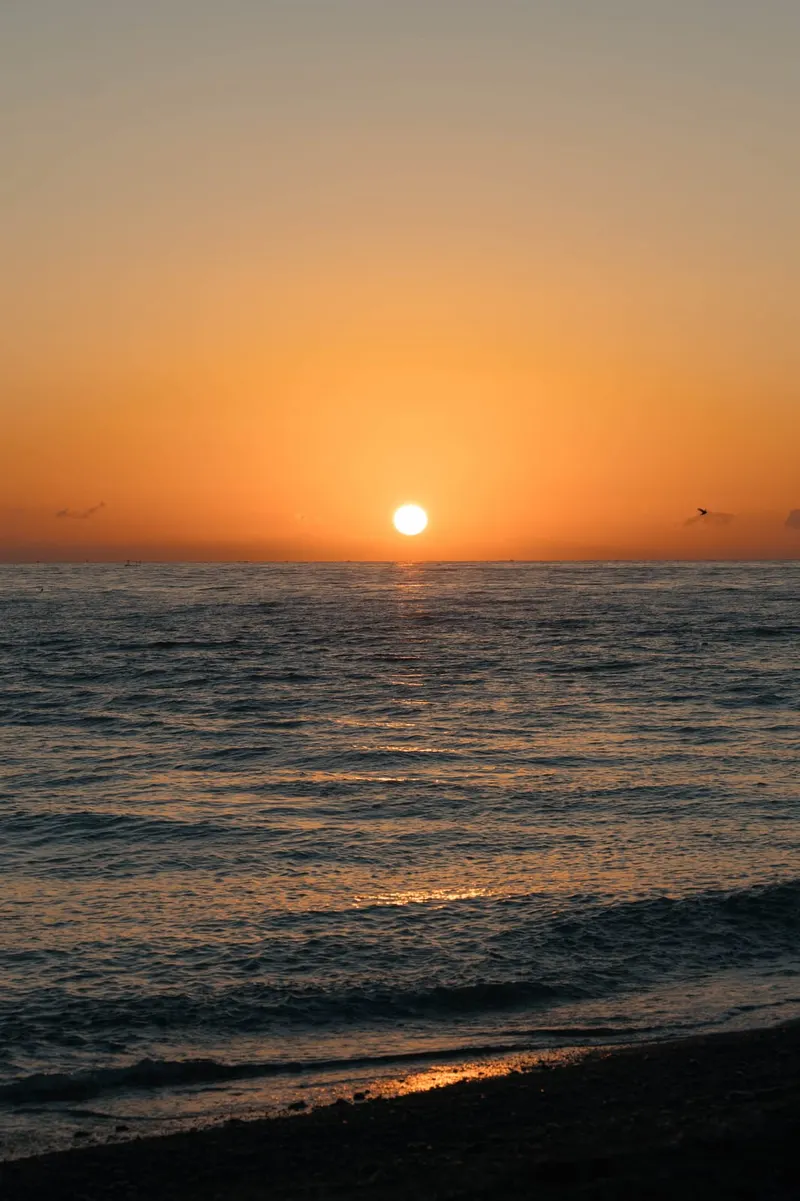
Then the brine goes into the troughs, and you wait.
The brine goes into hollowed trunks and shallow troughs and sits in the sun until only the crystals are left. You do the carrying and the raking with the salt maker.
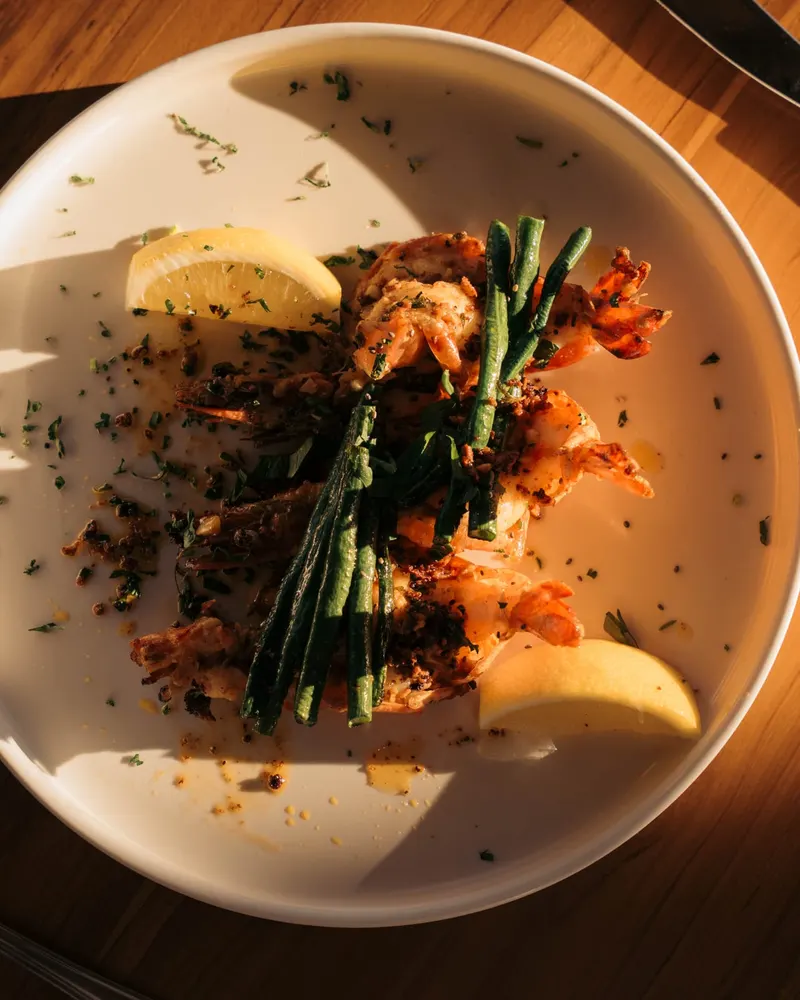
You taste it at Saga that evening.
Take a little back and put it on the fish at Saga that evening: the boat, the fire and the sun on one plate.
This is the coast the salt comes from.
Our own shore is pebbles. Walk or drive a little way along it and the beach turns to fine dark sand, and that is where the salt has always been made: strong sun, dry air for most of the year, and sand that holds the heat. Here in Tianyar it has been done this way for decades.
Carried up from the sea, poured over the sand, left to the sun.
The method has not needed improving. Seawater is carried up the beach and spread over beds of sand. The sun takes the water and leaves the salt in the sand. The salt-rich sand is raked up and rinsed through with more seawater, which comes out the other side as a strong brine.
Then the brine goes into the troughs, and you wait.
The brine is poured into hollowed trunks and shallow troughs and left in the sun until the last of the water lifts off and the crystals are left in the base. Two or three days, when the weather holds; a few kilos on a good day. You do the carrying, the pouring and the raking with the salt maker, and you see what the work asks.
You taste it at Saga that evening.
Ask the salt maker if you may take a little back. It is coarse and damp and tastes of this particular stretch of water. Put it on the fish at Saga that evening and you have the whole coast on one plate: the boat that caught it, the fire that grilled it, and the sun that made the salt.
It is slow work for a small return, and it is still done by hand. Time spent with a salt maker is time the craft can use.
Learn the work, ask if you may buy a little, and tell someone.
The plain facts.
Everything below is what we actually do, nothing more.
- With whom
- A local salt maker, who guides you through the work
- Included
- The activity, the materials and the guidance
- Group
- For a minimum of two guests
- Where and when
- Along the coast. The place, the hour and how long you stay are agreed with you when you ask
- The salt
- Ask the salt maker if you may buy some to take home
- If the weather turns
- The work needs sun. Ask us on the day, and we help you find something else
Subject to availability and to the weather. The sun makes the salt.

Sleep on the coast the salt comes from.
Eleven canvas lodges behind Saga, a few steps from the pebble shore. Ask first; no payment today.
A real person replies. We reply the same day (Bali time).