
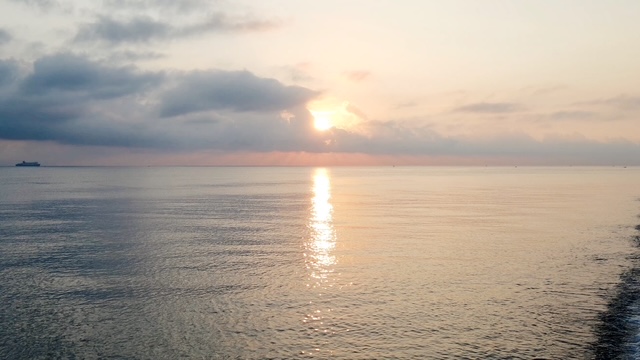
Mornings on the black sand beach. Fishing boats returning before sunrise. The particular stillness of a village that has not been built for visitors.
Tianyar wakes before the sun. In the blue-dark hours before dawn, you can hear the sound of outrigger engines starting along the beach. The fishermen have been doing this for generations — heading out past the reef while the water is still calm, returning before the heat sets in with whatever the sea has offered that day.
The village sits where the coast road curves slightly inland, between the black sand beach and the lower slopes of Mount Agung. It is small — a few hundred families, a temple complex, a market that comes alive on certain days of the Balinese calendar. There is a primary school, a warung or two, and a ceremonial banyan tree that has been here longer than anyone remembers.
What strikes visitors first is the quiet. Not silence — the sea is always present, the roosters are reliable, the ceremony bells ring at their appointed hours — but a particular quality of quiet that comes from the absence of performance. Nothing here is staged. The offerings on the doorsteps are genuine. The fishermen mending their nets are not doing it for photographs.
The beach is not the white sand crescent of travel brochures. It is volcanic — black, coarse-grained, hot underfoot by midmorning. The waves are gentler than the south coast, the current less dangerous. Local children swim here after school. The boats are traditional jukung, painted in bright colours, their outriggers extended like wings.
Tianyar is not a destination in the tourist sense. It is a place that was here before tourism arrived and will be here long after trends move on. To stay here is not to consume a place but to exist alongside it for a while, at its pace, on its terms.
Next story
Discover North Bali
A quiet introduction to the northern coast: what it offers, how to reach it, and why it has remained so different from the rest of the island.
Read story